Day-care institutions are often established for specific users, diagnoses and/or age groups.
These can include residential homes, shelters, special needs schools and institutions, paediatric day-care centers for children and teenagers with physical or mental disabilities, or centers for people living with brain damage or multiple disabilities.
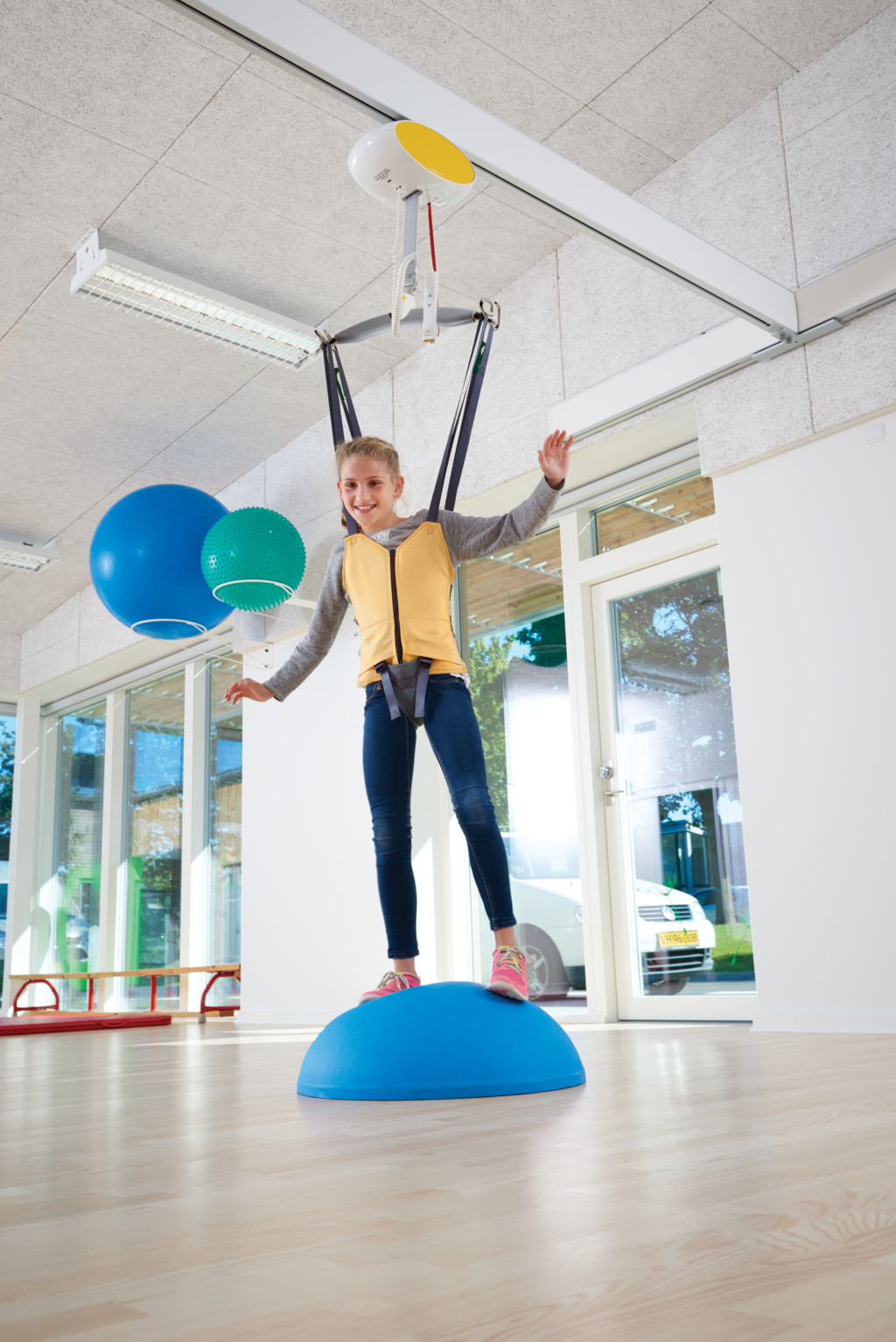
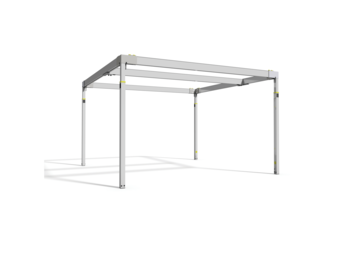
As day-care centers serve as both home for the residents and a workplace for the staff, they must be equipped with the right aids to maintain a safe and healthy working environment for the staff – and to boost life quality and functional skills among residents.
Day-care residents may have widely different levels of physical or mental disability, and will, therefore, need correspondingly different levels of help.
Common tasks at day-care institutions:
- Moves from bed to wheelchair
- Moves to and from bath chair/stretcher
- Repositioning in a wheelchair
- Positioning and turning in bed
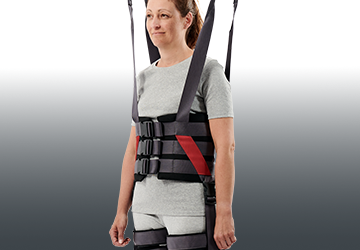
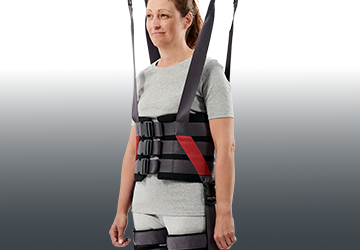
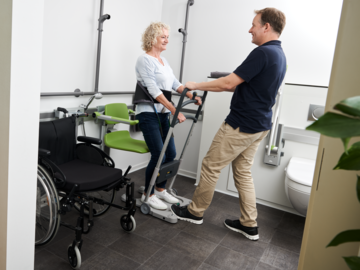
- Training and mobilisation
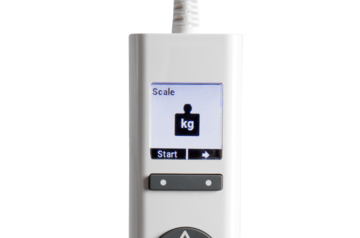
- Weighing residents
- Hygiene procedures
- Changing bed linen